
All the cryptocurrencies
While cryptocurrency is the most well-known use of blockchain, not all blockchain systems involve crypto. Many businesses use blockchain for secure data management without relying on digital currencies https://fishbreeding.info/table-games/roulette/free-roulette/.
In conclusion, blockchain and cryptocurrency are interconnected technologies that have the power to reshape industries and empower individuals. By understanding how they work, their benefits, and their challenges, I hope this article has provided a clearer picture of their potential. Whether you’re a casual observer or looking to dive deeper into the world of blockchain and crypto, it’s an exciting time to be part of this revolutionary shift in technology.
Supply chains involve massive amounts of information, especially as goods go from one part of the world to the other. With traditional data storage methods, it can be hard to trace the source of problems, like which vendor poor-quality goods came from. Storing this information on blockchain would make it easier to go back and monitor the supply chain, such as with IBM’s Food Trust, which uses blockchain technology to track food from its harvest to its consumption.
Cryptocurrencies all
Coinlore Independent Cryptocurrency Research Platform: We offer a wide range of metrics including live prices, market cap, trading volumes, historical prices, yearly price history, charts, exchange information, buying guides, crypto wallets, ICO data, converter, news, and price predictions for both short and long-term periods. Coinlore aggregates data from multiple sources to ensure comprehensive coverage of all relevant information and events. Additionally, we provide APIs and widgets for developers and enterprise users.
Cryptocurrencies are digital assets that are secured by cryptography. They use decentralized networks to transfer and store value, and the transactions are recorded in a publicly distributed ledger known as the blockchain. Transactions are verified by network nodes and recorded in a public distributed ledger known as the blockchain. Cryptocurrency transactions are secure, and are verified by a decentralized network of computers.
Cryptocurrency market capitalization (market cap) refers to the total value of a particular cryptocurrency that is currently in circulation. It is calculated by multiplying the current market price of a cryptocurrency by the total number of coins or tokens that have been issued. The total market capitalization of all cryptocurrencies for today is $3,482,102,116,442
NFTs are multi-use images that are stored on a blockchain. They can be used as art, a way to share QR codes, ticketing and many more things. The first breakout use was for art, with projects like CryptoPunks and Bored Ape Yacht Club gaining large followings. We also list all of the top NFT collections available, including the related NFT coins and tokens.. We collect latest sale and transaction data, plus upcoming NFT collection launches onchain. NFTs are a new and innovative part of the crypto ecosystem that have the potential to change and update many business models for the Web 3 world.
The UK’s Financial Conduct Authority estimated there were over 20,000 different cryptocurrencies by the start of 2023, although many of these were no longer traded and would never grow to a significant size.
The very first cryptocurrency was Bitcoin. Since it is open source, it is possible for other people to use the majority of the code, make a few changes and then launch their own separate currency. Many people have done exactly this. Some of these coins are very similar to Bitcoin, with just one or two amended features (such as Litecoin), while others are very different, with varying models of security, issuance and governance. However, they all share the same moniker — every coin issued after Bitcoin is considered to be an altcoin.
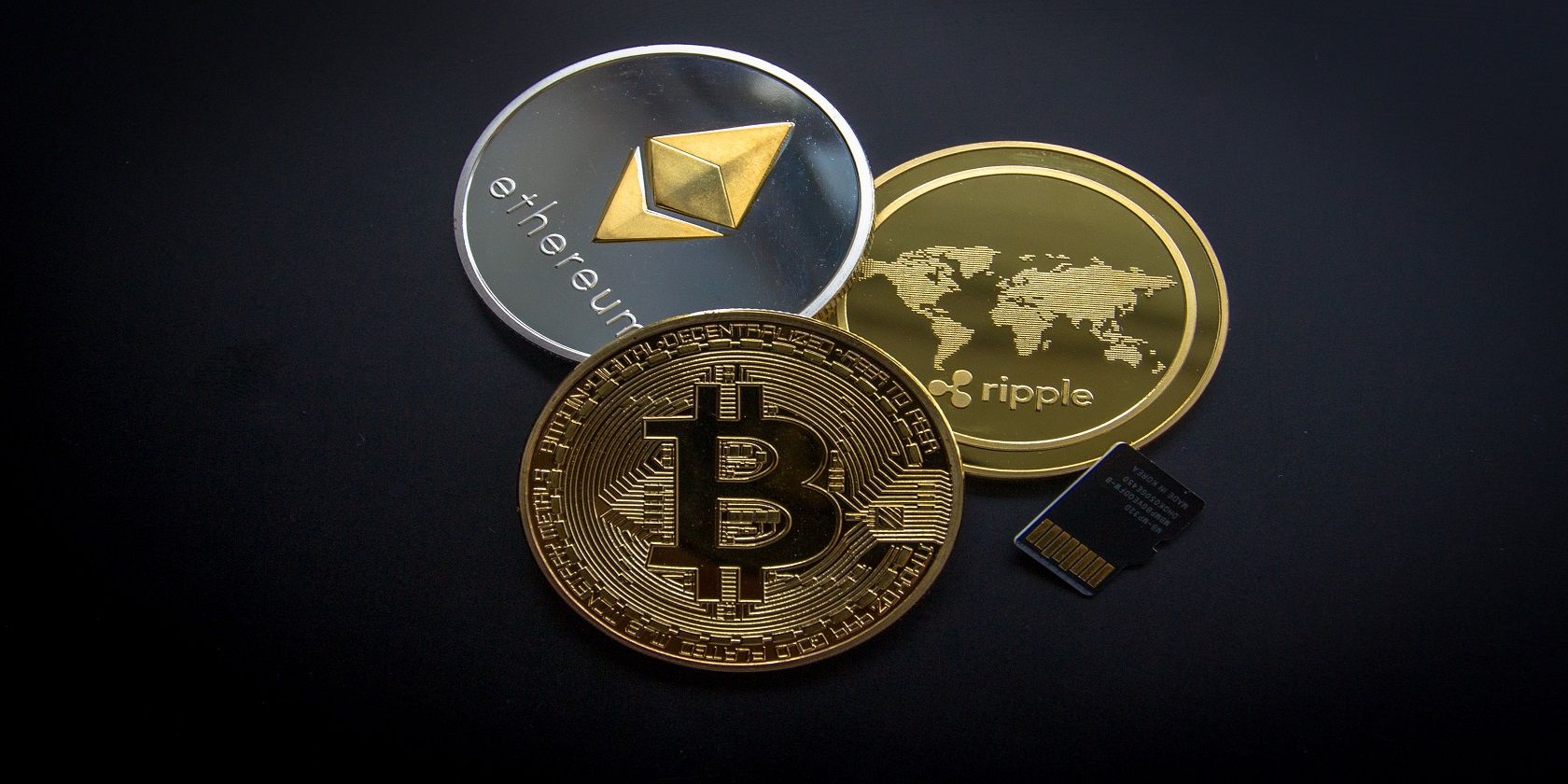
Why do all cryptocurrencies rise and fall together
Bitcoin’s decentralized nature and limited supply make it an appealing hedge against inflation. Unlike fiat currencies, Bitcoin operates without counterparty risk, offering a secure store of value. Historical data shows that rising sovereign risk often correlates with increased Bitcoin adoption. For example:
One day, you may see a coin skyrocketing to new heights; the next, it plunges into the abyss. But what exactly drives these rollercoaster rides in the world of digital currencies? Let’s delve into the factors behind the rise and fall of cryptocurrency prices, demystifying this intriguing phenomenon.
Regulatory changes often play a pivotal role in shaping the cryptocurrency market. Governments worldwide are still figuring out how to regulate digital assets like bitcoin, and their decisions can significantly influence prices and investor behavior.
Since very few commercial outlets and entities worldwide accept cryptocurrencies for typical purchases, they tend to trade more like speculative assets than traditional fiat currencies that have state backing and widespread commercial use cases.
We do not advise on currencies and do not make recommendations for either buying or selling. We can provide factual information about the different currencies, but past price developments are not an indication of future developments. No information from Lunar Block should therefore be considered as recommendations and all decisions are up to you alone.